Dealing with access problems during South Kensington removals
Posted on 04/07/2026
Dealing with access problems during South Kensington removals: a practical guide that saves time, stress, and awkward delays
South Kensington removals can look straightforward on paper, and then the reality hits: narrow streets, awkward entrances, basement flats, lift restrictions, shared hallways, parking pressure, and a delivery van that suddenly has nowhere sensible to stop. If you are dealing with access problems during South Kensington removals, you are not alone. In fact, this is one of the most common reasons a move runs late in this part of London.
The good news? Most access issues are manageable if you spot them early and plan properly. This guide walks you through the practical side of it: what tends to go wrong, how removal teams work around it, what to prepare in advance, and where the real time-savers are. A bit of planning goes a long way here, honestly. Sometimes the difference between a calm move and a chaotic one is just ten minutes of checking the entrance properly.
- Why access problems matter
- How the moving process works
- Key benefits of planning access in advance
- Who needs this approach
- Step-by-step guidance
- Expert tips for smoother moves
- Common mistakes to avoid
- Tools, resources and recommendations
- Law, compliance, standards and best practice
- Options and comparison table
- Real-world example
- Practical checklist
- Conclusion
- Frequently asked questions
Why Dealing with access problems during South Kensington removals Matters
Access is not a minor detail. It affects timing, safety, labour, vehicle choice, parking, and even the final price. In South Kensington, a move can be slowed down by something as simple as a narrow staircase or a door that only opens halfway because of a banister, radiator, or awkward turn. It sounds small. It rarely is.
When access is poor, the team may need extra carrying distance, more protection for fragile items, and more time to shuttle boxes between the property and the vehicle. That can affect everyone's day: neighbours, building managers, and you. If you are moving out of a flat near Gloucester Road or dealing with a basement property off a busier road, the margin for error gets slim very quickly.
It also matters because access problems can create avoidable damage. A sofa that fits technically may still scrape a wall. A piano may need specialised handling. Even well-packed boxes become risky when they have to be carried down steps in a tight corridor. So yes, access planning is about convenience, but it is also about protecting your belongings and keeping people safe.
If you want a broader look at how moving support is usually structured, the overview on removal services in South Kensington is a useful place to start. For straightforward small moves, the man with a van service model can be a practical fit, provided the access conditions are understood in advance.
How Dealing with access problems during South Kensington removals Works
The process is really about identifying obstacles before move day and building a realistic plan around them. That sounds obvious, but in practice people often underestimate what counts as an access issue. It is not only about parking. It can include stair width, loading bay availability, lift booking slots, entry codes, concierge rules, building protection requirements, and even road layout around the property.
Good movers usually begin with a basic access assessment. They want to know:
- Whether the property is a flat, maisonette, house, or office
- How many floors are involved
- Whether there is a lift and if it is usable on move day
- How close the vehicle can get to the entrance
- Whether the road allows waiting or unloading
- Whether there are restricted access times, permits, or building rules
Once that information is clear, the move can be matched to the right vehicle size, crew size, and timing. For example, a lower-ground flat with awkward steps may need more hands than a simple lift-served apartment. An office move may need an early start to avoid busy entrance periods. A family house move might be fine with a standard van, but only if parking is workable.
South Kensington also has its own rhythm. Mornings can be busy, some streets feel tight even when they are technically open, and building access can be stricter than expected. You notice these things quickly on the day, usually while someone is trying to hold a door open and another person is figuring out whether the sofa will turn the corner. Not ideal.
Key Benefits and Practical Advantages
Planning for access problems does more than reduce stress. It makes the move cleaner, safer, and often cheaper in the long run.
- Less downtime: fewer delays while people figure out where to park or how to get in.
- Lower risk of damage: careful routing means fewer bumps, scrapes, and strained corners.
- Better cost control: access surprises often create extra labour time, which is rarely welcome.
- Smarter vehicle choice: the right van size matters when the loading area is tight.
- More efficient packing: boxes and furniture can be organised to match the actual route out.
- Less neighbour friction: fewer blocking issues, less noise, and less time spent on the pavement.
One practical benefit that people overlook is confidence. When access is mapped properly, you stop second-guessing everything. That matters on moving day, because decision fatigue is real. If you know the route, the lift rules, the parking arrangement, and the order of items, the whole job feels more manageable. Still busy, of course, but manageable.
For value-minded readers, it is also worth looking at how pricing is structured before you commit. The page on man with van rates helps set expectations, while avoid hidden removals charges in South Kensington is a helpful reminder to ask the awkward questions early.
Who This Is For and When It Makes Sense
This approach makes sense for almost anyone moving in South Kensington, but it is especially useful if any of the following apply:
- You live in a flat above ground level without an easy lift option
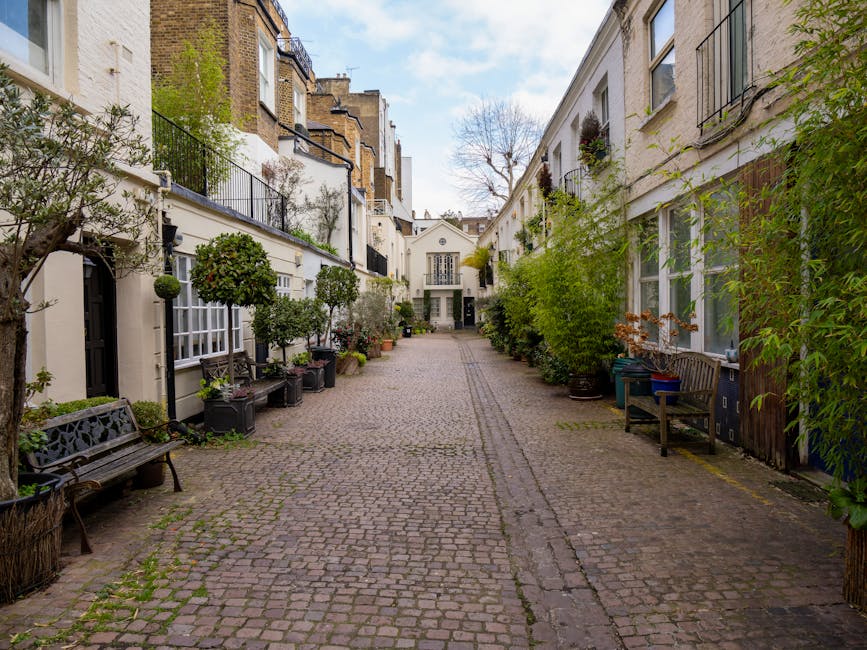
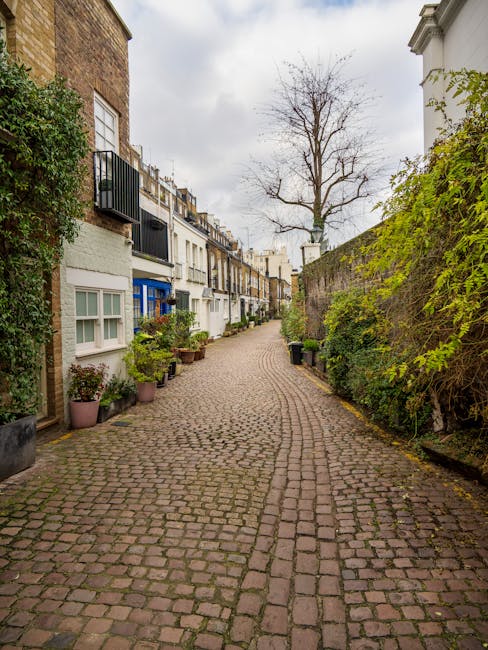
- You are moving from a basement, mews property, or converted building
- Your furniture includes large or heavy items, such as wardrobes, sofas, or a piano
- You need to move on a tight schedule or same day
- You are in a shared building with concierge or booking restrictions
- You are moving from an office where access is time-controlled
- You are a student or tenant with limited flexibility on dates and timings
It is also a good fit if you are not moving much stuff, but the access is the real challenge. A small job can become complicated very quickly when the entrance is awkward. In those cases, a compact vehicle and a careful loading plan may be more useful than a larger van that cannot get close enough to the door.
If your move is a typical flat relocation, you may find the dedicated flat removals South Kensington page relevant. If you are moving a house, the guidance on house removals South Kensington may fit better. For heavier or awkward pieces, furniture removals South Kensington is worth a look too.
Step-by-Step Guidance
Here is the practical route we recommend when access may be tricky.
- Walk the route in person. Start at the street and check the entrance, stairs, lift, hallway bends, and any doors that might become a bottleneck.
- Measure the awkward bits. Door widths, staircase turns, lift dimensions, ceiling height, and any tight corners all matter. Not every measurement needs a tape to the millimetre, but be close.
- Check parking and stopping options. See whether a vehicle can stop near the property, or whether a longer carry is unavoidable.
- Speak to the building manager early. Ask about lift reservations, protective coverings, key access, time windows, and any moving rules.
- Sort packing around the route. Put heavy items into smaller boxes if there are stairs. Label fragile or top-heavy items clearly.
- Tell the removals team everything. Even details that seem minor: a narrow gate, a steep step, a delivery bollard, a one-way system, a coded entrance. All of it helps.
- Plan a loading order. Put first-out items near the exit. Keep essentials separate so they are not buried under a mountain of kitchen gear.
- Allow extra time. Access problems rarely improve if everyone is rushing.
That last point is important. People often assume a move can be "squeezed in" around restrictions. Sometimes it can. Often it cannot. A bit of slack in the schedule saves a lot of frustration later.
If you want support with packing itself, the advice on packing and boxes South Kensington can help you prepare items so they are easier to carry through tighter access points.
Expert Tips for Better Results
These are the small, practical things that tend to make the biggest difference.
- Book the van size for access, not just volume. A smaller van that can park properly is often better than a larger one that cannot.
- Use protection where the route is tight. Corner guards, door blankets, and floor covers reduce friction and scuffs.
- Disassemble bulky items early. Beds, tables, and shelving are much easier to move when broken down properly.
- Keep the lift clear. If a building allows lift use, do not overload it. One badly packed trip can slow everything down.
- Prepare the keys and codes. It sounds basic, but missing access keys can derail a whole schedule.
- Take photos of access points. A quick picture of the entrance, stairs, or parking area can save a long explanation.
To be fair, this is the kind of work where experience shows very quickly. A team that has handled South Kensington removals before will usually spot the issue before it becomes a problem. That is one reason people often compare options like removal companies in South Kensington versus a lighter man and van South Kensington setup. The right choice depends on access as much as on the size of the load.
And a small one, but useful: if you are moving a valuable instrument, do not improvise. Piano removals South Kensington is the safer route when stairs, turns, or height restrictions are involved.
Common Mistakes to Avoid
The same few mistakes keep showing up. They are all avoidable, which is the annoying part.
- Assuming parking will work itself out. It usually does not.
- Forgetting to mention basement or upper-floor access. This changes the manpower and time needed.
- Booking without checking lift rules. Some lifts are only available in certain time windows or require protection.
- Packing everything into heavy boxes. That is a recipe for slow carrying and sore backs.
- Leaving awkward items until last. The biggest piece should not be the surprise at the end.
- Not preparing building permissions. Concierge approval, entry instructions, or loading bay booking may be needed.
Another frequent mistake is choosing a move plan based only on distance or item count. Two homes may have identical inventories but totally different access. One is a breeze. The other has a stairwell that turns sharply halfway down and a front entrance that barely opens wide enough for a mattress. Same job? Not really.
If your move is short notice, the article on what to know about last-minute removals in South Kensington is especially useful, and common booking mistakes for man and van South Kensington is a good sanity check before you confirm anything.
Tools, Resources and Recommendations
You do not need fancy equipment to manage access problems well, but a few practical tools help a great deal.
- Measuring tape: useful for doors, corridors, and furniture dimensions.
- Phone camera: perfect for documenting entrances, staircases, parking points, and lift sizes.
- Sticky labels and marker pens: make it easy to separate items by room or priority.
- Furniture blankets and floor protectors: help protect surfaces on tight routes.
- Flat-pack tools: keep a screwdriver, hex key set, and tape nearby.
- Box sizes that vary: smaller boxes for books and heavier items, larger ones for lighter belongings.
For service planning, the page on services we provide gives a broader view of the types of moves available, and removal van South Kensington can be useful if vehicle access is the main issue you are trying to solve.
It is also worth checking whether temporary storage would make the move easier. If access at either property is especially restrictive, splitting the move can remove pressure. The page on storage South Kensington can be helpful when you need a staged move rather than a one-day push.
Law, Compliance, Standards, or Best Practice
For most household moves, the main point is not legal complexity but practical compliance. Still, a few UK expectations matter. Access arrangements should be handled safely, vehicles should not obstruct roads or entrances unnecessarily, and movers should follow reasonable manual handling practices. That means using correct lifting techniques, sharing heavier loads, and not forcing items through spaces that are too tight.
If a building has rules about loading bays, lifts, flooring protection, or moving times, those rules need to be respected. In South Kensington this is common enough that you should assume some form of building process may apply, especially in managed flats or larger properties. It is boring admin, yes, but it prevents problems with neighbours and building staff.
Insurance is another practical standard. If access is awkward, the risk profile changes. A mover should be clear about what is covered and what conditions apply. That is why pages like insurance and safety and health and safety policy matter more than people sometimes realise. They are not just formalities. They tell you how carefully the job will be handled.
If you are comparing providers, it is also sensible to review terms and conditions and, where relevant, the accessibility statement. Different properties and different clients need different levels of planning. No drama there.
Options, Methods, or Comparison Table
There is more than one way to handle access issues. The best option depends on the property, the load, and the time pressure. Here is a straightforward comparison.
| Approach | Best for | Strengths | Trade-offs |
|---|---|---|---|
| Standard van and careful planning | Moderate access issues, normal household moves | Flexible, cost-conscious, widely suitable | Can struggle if parking or stair access is very poor |
| Man and van setup | Smaller moves, quick jobs, limited items | Simple, efficient, often easier in tight streets | May not suit larger homes or heavy furniture |
| Full removals team | Large loads, difficult stair access, multiple rooms | More manpower, better for awkward items, less strain on you | Usually more expensive than a very small move |
| Staged move with storage | Severe access restrictions or tight deadlines | Reduces pressure, allows flexibility, useful for complex handovers | Needs extra coordination and maybe extra cost |
In real life, the "best" option is often the least dramatic one. If the property access is fine, a small van may be enough. If there are stairs, no parking, and a large sofa that belongs in the Museum of Awkward Objects, a more robust plan is probably the sensible call.
Case Study or Real-World Example
Here is a realistic scenario. A tenant is moving out of a second-floor flat in South Kensington. The flat has a narrow staircase, a lift that is technically available but too small for larger furniture, and a front entrance that opens onto a busy street. On paper, the move looks small. In reality, the access is the problem.
The solution is not flashy. It is practical:
- The team arrives at a quiet time slot
- Parking is checked in advance so the van can stop as close as possible
- Bulky furniture is dismantled the day before
- Boxes are reduced in weight so carrying them down stairs is safer
- First-out items are loaded separately for quicker unloading at the destination
The result is a move that takes longer than a simple ground-floor job, but not disastrously longer. More importantly, nothing gets jammed in the stairwell, no one is left improvising on the pavement, and the move ends with a proper handover instead of a scramble. Small win, but a real one.
For related local context, the guides on Gloucester Road removals, Cromwell Road same day removals, and Old Brompton Road man and van give a sense of how local access conditions can shape the move plan.
Practical Checklist
Use this before move day. It keeps the job honest.
- Check if the property is basement, ground floor, or upper floor
- Measure main doors, stair turns, and lift dimensions if needed
- Confirm whether the vehicle can stop close to the entrance
- Ask about parking restrictions, permits, or loading bay rules
- Speak to the building manager or concierge about access times
- Disassemble large furniture where possible
- Pack heavy items into smaller boxes
- Label fragile, awkward, or urgent items clearly
- Tell the removals team about every obstacle, even the annoying little ones
- Keep keys, codes, and contact details ready on the day
- Set aside essentials so you are not searching for kettle chargers and passports at the last minute
Expert summary: if access is difficult, the move should be designed around the property, not the other way round. That one idea prevents a lot of stress. The trick is to see the building as it really is, not as you hope it might be on moving day.
For a tailored quote or to talk through a tricky property setup, you can always start with the team via contact. If you are still weighing up which service fits best, the page on removals South Kensington gives a broad entry point into the available options.
Get a free quote today and see how much you can save.
Conclusion
Dealing with access problems during South Kensington removals is mostly about good judgement, clear information, and realistic timing. The streets can be tight, the buildings can be awkward, and the logistics can look a bit more involved than they first appear. But with proper planning, those issues are manageable. Very manageable.
The main idea is simple: identify the access challenge early, match the move to the property, and avoid guessing on the day. That mindset protects your belongings, reduces delays, and keeps the whole process calmer for everyone involved. And honestly, when you are already moving home, a calmer day is worth its weight in packing tape.
Do the checks, ask the questions, and give yourself a little breathing room. That is usually enough to turn a difficult South Kensington move into one that just feels well handled.