Waste disposal rules for house removals South Kensington
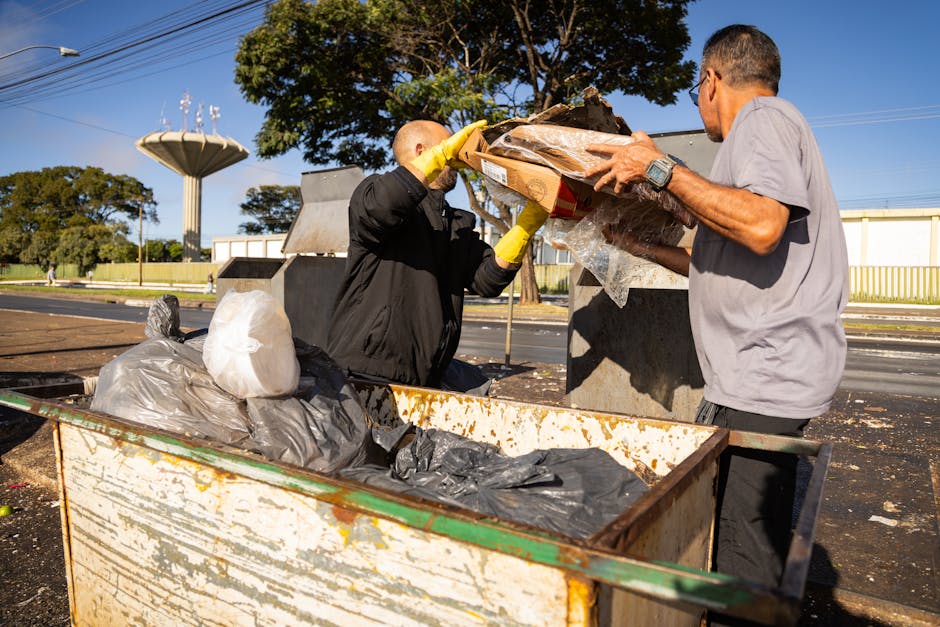
If you are planning a move in South Kensington, waste disposal can turn into one of those small jobs that becomes a big headache very quickly. Broken wardrobes, old mattresses, garden clutter, packaging, food waste, half-used cleaning products - it all has to go somewhere, and not everything can simply be left on the pavement and hoped away. The good news is that the waste disposal rules for house removals South Kensington are manageable once you know what belongs in general rubbish, what needs special handling, and what should be removed by a proper licensed team.
This guide walks through the practical side of disposal during a house move: what is usually allowed, what you should separate out early, what can go wrong, and how to keep your move tidy, lawful, and less stressful. If you want a smooth relocation, this is the kind of detail that saves time on the day and avoids awkward surprises later.
Why waste disposal rules matter
House removals create waste in a very ordinary, very human way. You sort a cupboard and suddenly find dead batteries, tangled cables, old paperwork, chipped plates, a lamp that no longer works, and three storage boxes full of things you no longer want. It is rarely dramatic. It is just messy. But waste is one of the first places a move can go wrong because different materials have different disposal rules, and not all of them are safe or legal to mix.
In South Kensington, that matters even more because space is tight, kerbside access can be awkward, and timing needs to be precise. A pile left out at the wrong time can create neighbour complaints, block access, or trigger enforcement problems. To be fair, nobody wants a move remembered for a sofa left outside in the rain and a note from the building manager.
Good disposal planning also protects the rest of the move. When clutter is removed early, packing gets simpler. Lift access is easier. The van is less full. And you can focus on what you are actually moving, rather than carrying around an old pile of "maybe later" items that you know, deep down, are not coming with you.
If you are using professional help, it is worth looking at house removals as part of a wider move plan, and pairing that with the company's approach to recycling and sustainability. That combination usually leads to cleaner decisions and less waste sent to the wrong place.
How waste disposal rules for house removals South Kensington works
The basic idea is simple: not every item is treated the same. Waste from a home move usually falls into a few practical groups, and each group should be dealt with differently. Some items can go with general household waste. Some should be donated or reused. Some need specialist disposal. Some are best removed as part of a dedicated clearance or removal service.
Here is the simplest way to think about it:
- Reusable items should be separated first. If furniture, decor, or appliances are still in decent condition, they may be better suited for reuse or onward pick-up.
- General household waste includes everyday rubbish such as broken packaging, damaged paperwork, and non-hazardous throwaway items.
- Bulky waste covers large things like sofas, wardrobes, mattresses, desks, and white goods. These often need specific collection or controlled handling.
- Hazardous or specialist items include paint, chemicals, solvents, batteries, fluorescent tubes, and certain electrical items. These should never be casually mixed into a standard rubbish load.
A move often works best when disposal decisions are made before packing starts. That way, you are not taping up boxes only to realise you do not actually want half the contents. It sounds obvious. Yet it happens all the time.
If your move is time-sensitive, you may also want to explore same day removals or a flexible man and van approach. These can be useful when you need a quick, practical clear-out alongside the move itself.
Key benefits and practical advantages
Following the right waste disposal rules is not just about avoiding trouble. It makes the move lighter, calmer, and generally more efficient. The benefits are very real, especially in a busy London setting where every extra trip and every extra item seems to cost you time.
- Less clutter to move: fewer unnecessary items means fewer boxes and less strain on loading day.
- Lower chance of damage: disposal sorting reduces the risk of broken glass, leaking liquids, or sharp objects damaging other belongings.
- Cleaner handover: whether you are leaving a flat or a house, a tidy space makes the final inspection easier.
- Better sustainability: separating reusable and recyclable items keeps more material in circulation.
- Less stress on moving day: you will not be making last-minute decisions in the hallway with a door propped open and everyone waiting.
There is also a practical money angle, though it is easy to overlook. If you reduce the volume of waste and unwanted items before the move, you may need less labour, fewer vehicle trips, and less overall handling. That often makes the whole process more efficient, even if the savings are indirect rather than dramatic.
Expert summary: The cleanest removals are rarely the fastest ones at the last minute. They are the ones where disposal is planned in stages: sort, separate, remove, then pack what remains.
Who this is for and when it makes sense
This topic matters to almost anyone moving house, but it is especially relevant if you are dealing with one of these situations:
- you are downsizing and need to clear out surplus furniture
- you are moving from a furnished flat and only want to take selected items
- you have built up years of stored belongings and need a proper reset
- you are moving with children and have more broken, outgrown, or duplicate items than you expected
- you are managing a short-notice move and need a fast plan for rubbish and bulky waste
It also makes sense if you are moving between flats or houses where access is limited. South Kensington properties can have stairwells, basement spaces, narrow entrances, and shared hallways that make rubbish handling a bit fiddly. If you have ever carried a wardrobe baseboard down two flights of stairs while trying not to scrape a wall, you will know exactly what I mean.
For smaller moves, a removal van or man with van setup can be enough. For larger households, a more structured service such as removal services or house removalists may be a better fit, especially when disposal and loading need to happen in the right order.
Step-by-step guidance
Here is a practical way to approach waste disposal before and during a house removal in South Kensington.
1. Walk through the property room by room
Start early, not the night before. Go room by room and sort items into four groups: keep, donate, recycle, and dispose. Be honest with yourself. If you have not used something in years and would not buy it again today, it probably does not deserve a space in the moving van.
2. Separate hazardous and awkward items first
Put aside anything that may need special treatment: paints, solvents, batteries, small electronics, cleaning chemicals, broken glass, and anything leaking or sharp. Do not hide these at the bottom of a box. That is how accidents happen. Nobody needs that kind of surprise on moving morning.
3. Decide what can be reused or passed on
Furniture in fair condition, working appliances, and decent household items may be suitable for reuse. If you are clearing a home before a move, this is often the most rewarding part because it reduces waste and can make the home feel lighter immediately.
4. Check bulky items before moving day
Large items need planning. Sofas, mattresses, cabinets, and white goods can be awkward to move and even more awkward to dispose of if left too late. Measure doorways, stairs, and access routes. In a South Kensington property, that is not overcautious - it is just sensible.
5. Label disposal boxes clearly
If an item is not travelling with you, label it clearly. Use simple words such as "recycle," "waste," or "donate." That stops the same thing being unpacked, repacked, and argued over twice.
6. Coordinate disposal with the removal team
If you are using professionals, tell them in advance what is staying, what is going, and what is waste. Good teams can then plan loading order, protect the right surfaces, and avoid mixing rubbish with the main household contents. If you need support from start to finish, it can be worth comparing removal companies and seeing whether they offer the level of handling your move really needs.
7. Do a final sweep before loading
Open cupboards, check under sinks, and look behind doors. These are the classic places where one last bag of rubbish gets forgotten. It happens. More than people admit, honestly.
Expert tips for better results
A few small habits make a big difference.
- Start with one rubbish bag, not one whole house: momentum matters. Once you begin, the rest is easier.
- Keep cleaning items separate: some products should not be packed with clothes, books, or soft furnishings.
- Photograph anything uncertain: if you are unsure whether something is reusable, damaged, or potentially hazardous, a quick photo helps you decide later.
- Use packing as a second sort: you will often find extra waste while wrapping and boxing belongings. The smell of an old cupboard or the sight of cable knots can be oddly revealing.
- Choose fewer, better containers: overfilled bins and torn bags slow everything down.
One thing people sometimes forget is the timing. If collection or clearance is happening on the same day as the move, give yourself a buffer. London traffic can be a bit unpredictable, and building access can take longer than expected. A twenty-minute delay can become an hour before you know it.
If storage is part of the plan - perhaps you are not taking everything immediately - then a service such as storage can help keep non-essential items safe while you sort the rest. That is especially useful if you are moving in stages.
Common mistakes to avoid
Most problems come from rushing, not from bad intentions.
- Leaving disposal until the final hour: this leads to confusion and bad decisions.
- Mixing hazardous waste with normal rubbish: it is unsafe and can make disposal much harder.
- Assuming every bulky item can be left out: large waste usually needs a proper plan.
- Forgetting about shared access areas: hallways, communal entrances, and pavements all matter in South Kensington.
- Not telling the removals team what is waste: if the team does not know, they cannot plan properly.
- Keeping "just in case" items forever: sometimes the move is the best time to let go, and that is fine.
A smaller but common issue is overpacking rubbish bags. They split, people drop them, and suddenly the whole passage smells faintly of old food and cleaning products. Not ideal. Not at all.
Tools, resources and recommendations
You do not need fancy tools, but a few basics make the process smoother:
- strong refuse sacks for general waste
- marker pens and labels for sorting
- boxes or tubs for reusable items
- gloves for handling dusty or sharp items
- packaging tape for sealing mixed soft waste
- a simple room-by-room checklist
For disposal-heavy moves, pairing a removals plan with packing and boxes can be very useful. Good packing is not just about protection. It also helps you see what should stay, what should go, and what should be separated before the van arrives.
For furniture you no longer want, services such as furniture removals or furniture pick up may be a better route than trying to manage large items alone. That is especially true where access is awkward, or the item is too heavy for a two-person lift without risk.
Law, compliance, standards, or best practice
Waste disposal during a house move is one of those subjects where common sense and compliance overlap quite a bit. In the UK, waste should be handled responsibly, and anyone moving waste on your behalf should be able to do so properly. The safest approach is to use a provider that understands sorting, handling, and lawful disposal expectations rather than guessing as you go.
For everyday homeowners, the practical standard is simple: do not fly-tip, do not mix unsafe items into general waste, and do not hand over rubbish without knowing how it will be dealt with. If a team is helping with disposal, ask how they separate reuse, recycling, and general waste. A trustworthy provider should answer clearly and without sounding slippery.
It is also sensible to check the company's own policies on responsibility and safety. Pages such as health and safety policy, insurance and safety, and terms and conditions can help you understand how the provider approaches risk, handling, and service expectations.
Best practice is straightforward:
- separate waste before collection
- keep hazardous items out of normal household loads
- use a properly insured removal provider for heavy or awkward items
- confirm how waste and reusable goods are handled
- keep records or notes for anything valuable, fragile, or special
That last point sounds boring, but it helps. A quick note on the back of a packing list can save a lot of confusion later.
Options, methods, or comparison table
There is more than one way to deal with waste during a house removal. The best option depends on volume, access, timing, and how much sorting you want to do yourself.
| Method | Best for | Pros | Watch out for |
|---|---|---|---|
| Self-sorting and disposal | Very small amounts of household waste | Low cost, full control | Time-consuming, easy to mis-sort items |
| Removal team with disposal support | Typical home moves with mixed waste | Convenient, practical, fewer trips | Needs clear instructions in advance |
| Furniture or bulky item pick-up | Large unwanted items | Handles awkward pieces safely | Must confirm item condition and access |
| Storage before final decision | Moves split over time | Buys you breathing room | Can become a delay tactic if overused |
For families or larger households, a complete service such as home moves may be the most sensible route. For business relocations with office waste and furniture, commercial moves and office removals can offer a more structured approach, especially when disposal needs are more varied than a standard household move.
Case study or real-world example
Imagine a couple moving from a first-floor South Kensington flat into a slightly larger place nearby. They start the week with a spare chair, two broken bedside lamps, an old rug, and a kitchen cupboard full of duplicate mugs and faded containers. Nothing dramatic. Just normal life clutter.
At first, they think they will sort it "on the day." Then the reality kicks in. The stairwell is narrow. The lift is tiny. The neighbours are passing through. The van has a tight booking window. So they pause, take one evening to separate items properly, and decide which pieces can be reused, which can go for furniture pick-up, and which are simply waste.
That small change makes the move noticeably calmer. Packing gets faster because fewer items are being boxed. The hallway stays clear. The team can focus on lifting and loading instead of making disposal decisions on the doorstep. By lunchtime the new place feels like a move rather than a mess.
It is a modest story, really. But that is the point. Good waste planning rarely feels glamorous. It just prevents problems, which is what you actually want.
Practical checklist
Use this before moving day.
- Sort every room into keep, donate, recycle, and dispose
- Separate batteries, chemicals, paints, and other specialist items
- Clear bulky furniture decisions early
- Label all waste bags and boxes clearly
- Check access routes, stairs, and parking realities
- Tell your removals team what is not going with you
- Keep reusable items away from rubbish bags
- Protect floors and common areas if disposal items are being carried through them
- Review safety, insurance, and service terms before booking
- Do one final sweep of cupboards, lofts, under-sink spaces, and storage spots
Useful reminder: the most successful move is usually the one where you have fewer decisions left to make on the morning itself.
If you are comparing provider options, it can help to review pricing and quotes early rather than later. That way, disposal support, vehicle size, and timing are all part of the same plan, not separate last-minute guesses.
Get a free quote today and see how much you can save.
Conclusion
Waste disposal rules for a house move are not there to make life difficult. They exist to keep people safe, reduce clutter, and stop perfectly normal removals from becoming avoidable headaches. In South Kensington, where access, timing, and property layouts can all be a bit particular, a clear disposal plan is less of a nice-to-have and more of a practical necessity.
If you separate waste early, treat hazardous items carefully, and coordinate disposal with the rest of the move, the whole day feels lighter. Less noise, less stress, fewer surprises. And that is usually the real win.
For more on the business behind the service, you can also explore the company's about us page or check the recycling and sustainability approach if you want to understand how waste is handled with care. Moving house is already a lot. Good disposal planning gives you one less thing to worry about, and honestly, that can make all the difference.
Frequently Asked Questions
What counts as waste during a house removal?
Anything you are not taking with you can count as waste, but the exact handling depends on what it is. General rubbish, broken items, packaging, bulky furniture, electronics, and hazardous materials all need different treatment.
Can I leave old furniture on the street in South Kensington?
Not just like that, no. Bulky items need proper collection or an agreed disposal method. Leaving items out without checking the rules can create problems for access, neighbours, and compliance.
What should I do with batteries, paint, or cleaning chemicals?
Keep them separate from normal household rubbish and pack them carefully. These items can be risky if mixed or tipped into a standard waste load. If in doubt, handle them as specialist waste.
Is it better to throw away unwanted items before or after the move?
Before the move, ideally. You will save space, reduce lifting, and avoid paying to move things you do not want. That said, a small amount can be sorted afterwards if you are genuinely short on time.
Do movers usually take rubbish as well as furniture?
Some do, some do not, and some only take certain items. It is best to ask in advance exactly what they can remove and how they handle waste, recycling, or bulky items.
How do I know if something should be recycled or disposed of?
Ask whether the item is reusable, recyclable, or only fit for disposal. If it is in decent condition, consider reuse first. If it is damaged, broken, or contaminated, disposal may be the right route.
What is the biggest mistake people make with waste on moving day?
Leaving it too late. Once the van is at the door, you are under pressure and decisions get sloppy. That is when things get mixed, forgotten, or carried to the wrong place.
Can waste disposal help make a move cheaper?
Usually, yes in practical terms. Less clutter means less to move, less to pack, and less handling. It may not always translate into a huge direct saving, but it often improves efficiency.
Should I use storage if I am unsure about certain items?
Storage can be a good short-term answer if you are undecided about belongings, but use it carefully. It is best for items you genuinely may need later, not as a hiding place for things you already know you want to discard.
How early should I plan waste disposal before a move?
As early as possible. A week or two is helpful for a normal household move, but even a few days of structured sorting is better than leaving everything until the final evening.
What if I have too much waste to handle myself?
Then bring in help. A structured removal service, furniture pick-up, or removal van arrangement can make the process far more manageable, especially if access is tight or the items are bulky.
Where can I get more support for a South Kensington house move?
Start with the service pages that match your move size and needs, such as removals, man with a van, or flat removals. Choosing the right setup makes waste handling much easier too.