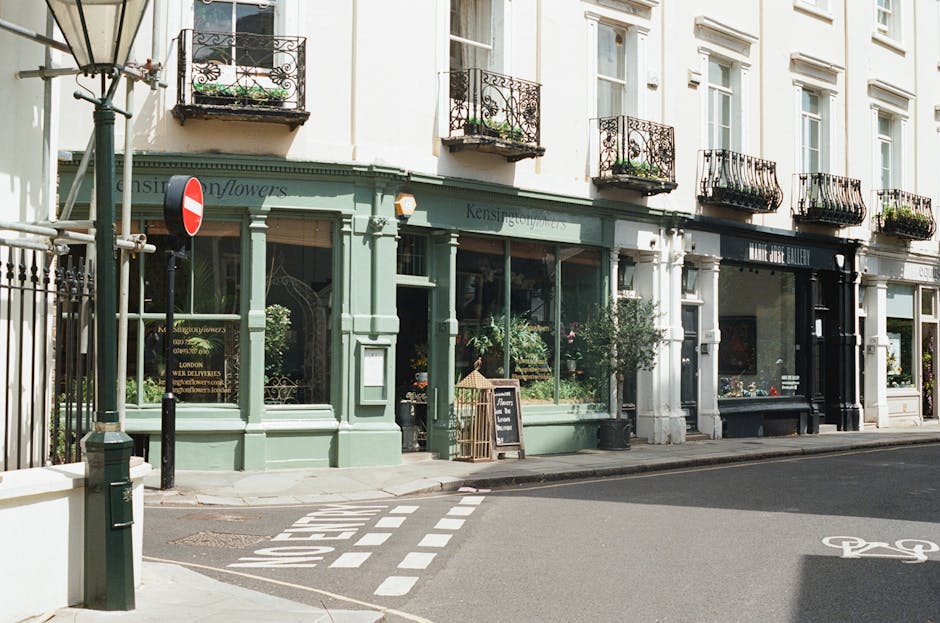
Royal Borough of Kensington and Chelsea removals rules
If you are planning a move in Kensington and Chelsea, the paperwork is only half the story. The Royal Borough of Kensington and Chelsea removals rules can shape everything from where the van stops to how long loaders can work outside your front door. Miss a detail and a simple move can turn into a stressful, stop-start morning with neighbours, parking restrictions, or a sudden delay because the vehicle cannot safely unload.
This guide breaks the rules down in plain English. We will look at what the borough expects, why it matters, how removals usually work in practice, and the best way to prepare so your move goes ahead without unnecessary drama. Truth be told, in central London the small stuff is never really small.
Table of Contents
- Why Royal Borough of Kensington and Chelsea removals rules Matters
- How Royal Borough of Kensington and Chelsea removals rules Works
- Key Benefits and Practical Advantages
- Who This Is For and When It Makes Sense
- Step-by-Step Guidance
- Expert Tips for Better Results
- Common Mistakes to Avoid
- Tools, Resources and Recommendations
- Law, Compliance, Standards, or Best Practice
- Options, Methods, or Comparison Table
- Case Study or Real-World Example
- Practical Checklist
- Conclusion
- Frequently Asked Questions
Why Royal Borough of Kensington and Chelsea removals rules Matters
Kensington and Chelsea is one of those places where moving day can be oddly delicate. Streets can be narrow, parking is tightly controlled, and loading space may be shared with residents, visitors, or commercial traffic. Because of that, the borough's removals rules are not just admin. They directly affect whether your van can stop legally, how long the team has to work, and whether you need to arrange something extra in advance.
The practical reason these rules matter is simple: removals involve large vehicles, repeated lifting, and a lot of short, time-sensitive movements. If the vehicle ends up parked in the wrong place, you can lose valuable time. A lift that should have taken an hour can drag into the afternoon. And when the weather turns or a building has awkward access, the pressure rises fast. We have all seen the look on someone's face when the clock is ticking and the sofa is still stuck by the hallway wall.
There is also the neighbour factor. In a dense borough, one blocked driveway, one noisy loading bay, or one poorly parked van can create complaints quickly. Following the correct approach helps you avoid friction and keeps the move calmer for everyone involved.
Expert summary: In Kensington and Chelsea, a good removal is usually less about brute force and more about planning. The better you handle parking, access, timing, and building rules, the smoother the day feels.
How Royal Borough of Kensington and Chelsea removals rules Works
In practice, removals rules in the Royal Borough of Kensington and Chelsea usually revolve around access, parking, loading, and local property management requirements. The borough is busy and highly regulated, so movers need to think ahead rather than simply arrive and hope for the best.
The exact steps depend on your street, your building, and the size of the move. A ground-floor flat on a quieter road is one thing. A third-floor apartment with no lift and limited kerb space is another. The safest assumption is that you will need to plan for constrained access.
Here is how the process commonly works:
- Check whether the vehicle can legally stop near the property for loading or unloading.
- Confirm if the street has resident bays, pay-and-display restrictions, suspended bays, or timed loading rules.
- Ask the building manager, landlord, or concierge whether there are move-in/move-out rules, lift booking requirements, or damage protection expectations.
- Consider whether you need additional support such as packing and boxes, flat removals, or man and van assistance for a smaller move.
- Build time into the schedule for stairs, long carries, traffic, or last-minute access issues.
A lot of people assume the main issue is the actual lifting. Often, it is the waiting. Waiting for a lift. Waiting for a bay to clear. Waiting for the building porter. Waiting while someone checks whether the van is close enough. That is the bit that catches people out.
If your move involves a larger property or commercial space, it may also help to look at services such as house removals or office removals, since those moves often need more structured planning and more hands on deck.
Key Benefits and Practical Advantages
Following the borough's removals rules may feel fiddly at first, but the benefits are very real. For most people, the biggest win is simply avoiding preventable delays.
Some of the main advantages include:
- Less risk of parking trouble: You reduce the chance of fines, complaints, or a rushed vehicle repositioning.
- Faster loading and unloading: Clear access means fewer interruptions and less time spent carrying items too far.
- Better protection for belongings: Less faffing about outside means fewer chances for damage in wet weather or awkward surroundings.
- Smoother communication with building staff: If you have booked lifts or access windows, everyone knows what to expect.
- Lower stress on the day: You are not improvising every ten minutes, which, honestly, makes a huge difference.
There is a commercial side too. If you are moving a shop, studio, practice, or office, good compliance is part of sounding professional. A move that starts on time and stays organised reflects well on the business itself. If that applies to you, commercial moves and office relocation services are worth exploring because they are designed with planning and continuity in mind.
Another practical benefit is the ability to choose the right vehicle and crew for the job. A compact access-heavy move may suit a removal van, while bulkier or multi-room jobs may need a removal truck hire option. That simple choice can save a surprising amount of hassle.
Who This Is For and When It Makes Sense
This topic matters to anyone moving in or out of the borough, but some people feel the pinch more than others.
You will benefit most if you are:
- moving from a flat, townhouse, or converted property with awkward access;
- living on a street with limited parking or timed loading restrictions;
- coordinating a same-day handover between buyers and sellers;
- running a business move where downtime needs to stay as low as possible;
- moving with heavier or awkward items such as a piano, large wardrobe, or fragile furniture;
- storing items temporarily because your dates do not line up neatly.
Students and short-term renters often assume the rules will not matter much because the move is small. But even a couple of suitcases, a desk, and a mattress can become a hassle if the van cannot park near the entrance. In those situations, services like student removals or same-day removals can be genuinely useful.
For family house moves, it is usually the combination of furniture, boxes, children, pets, and time pressure that makes planning essential. If that sounds familiar, home moves and house removalists can take a lot of the weight off your shoulders. Not all of it. But a lot.
Step-by-Step Guidance
If you want a smooth move in Kensington and Chelsea, think in steps rather than scramble mode. A neat order helps a lot.
- Confirm your moving date and access window. Make sure you know when you can collect keys, when the property is available, and whether there are building restrictions.
- Survey the street. Look at the parking layout, width of the road, loading opportunities, and any obvious restrictions. If possible, do this at the same time of day as your move.
- Speak to the building or managing agent. Ask whether lift protection, booking slots, floor protection, or advance notice is required.
- Choose the right move type. A smaller flat may only need a man with van arrangement. A larger move may need full removals support and perhaps packing and unpacking services.
- Pack with access in mind. Label boxes by room, keep essentials separate, and avoid overfilling containers. A box that is too heavy becomes a problem on stairs very quickly.
- Protect delicate items. Items like mirrors, artwork, and instruments need special care. For valuables, consider piano removals or other specialist handling where appropriate.
- Prepare a fallback plan. If the bay is blocked or access changes, have a nearby option in mind. Sometimes a tiny reroute saves the whole afternoon.
- Keep communication open on the day. A quick call or message can stop minor issues becoming major ones.
One small but often overlooked point: keep a folder or envelope with the essentials. Keys, building contact details, ID, payment confirmation, and any move instructions should not be buried in a box marked "misc". That box always disappears when you need it most. Always.
Expert Tips for Better Results
After enough moves, a few patterns become obvious. The people who have the easiest moving days are usually not the luckiest. They are simply prepared.
- Book earlier than you think you need to. Busy borough streets and popular moving times can create clashes fast.
- Use the smallest suitable vehicle. In a tight area, a more compact van can be easier to position than a larger truck.
- Break the move into zones. Bedrooms, kitchen, storage, and fragile items all need different handling.
- Keep hallways clear. This helps both safety and speed, especially in narrow properties.
- Think about weather. A rainy London morning can turn a doorstep into a slippery bottleneck. Dry covers and quick loading matter more than people expect.
- Choose services that match the job. For example, furniture removals can be a sensible choice if the move is centred on bulky pieces rather than an entire household.
A useful habit is to walk the route from the property door to the vehicle before loading starts. It sounds almost too simple, but it often reveals a tricky corner, a step, a tight gate, or a surprisingly awkward lift landing. You notice it then, not when the sofa is halfway through the doorway.
For businesses and landlords, it also helps to think in terms of reputation. Clean access, a tidy loading process, and considerate parking all reduce the chances of upset on the day. That matters more than people admit.
Common Mistakes to Avoid
Most move-day problems in Kensington and Chelsea are not dramatic disasters. They are little mistakes that compound.
- Assuming parking will be easy. It rarely is. Check it properly.
- Not telling the building in advance. Some properties require advance notice for lifts or loading access.
- Choosing the wrong vehicle size. Too small means multiple trips. Too large can make access harder.
- Packing too late. Last-minute packing often leads to damaged items and confusion.
- Forgetting about restrictive streets. Even if the distance looks short, traffic and access can slow everything down.
- Ignoring special items. Heavy antiques, instruments, and bulky furniture need planning, not guesswork.
- Not having a backup plan for keys or access. A delayed key handover can hold the whole move hostage.
To be fair, anyone can make these mistakes. Moving is stressful and your brain is half on the kettle, half on the sofa, half on the phone... yes, that adds up to more than one brain should carry. The point is not perfection. The point is reducing avoidable chaos.
Tools, Resources and Recommendations
You do not need fancy tools to manage a move well, but a few basics go a long way.
- A written moving plan: keep times, addresses, contacts, and access notes in one place.
- Labels and colour coding: these make unloading much faster and reduce room-by-room confusion.
- Protective packing materials: especially for glass, electronics, artwork, and fragile kitchen items.
- Measurement tape: useful for confirming whether large furniture will fit through doors or lifts.
- Storage option: if dates do not align neatly, storage can make the whole process much calmer.
- Company policies: if you want to understand how a provider handles service issues, trust, or payments, pages like terms and conditions, insurance and safety, and pricing and quotes are worth reading.
If you are comparing providers, it can also help to review the company background on about us and practical service details on removal services. Those pages give a better sense of whether the business feels organised, transparent, and suitable for your kind of move.
And if something goes wrong or you need clarification, a clear complaints procedure is a reassuring sign. Nobody wants to use it, obviously. But it tells you how seriously a company takes accountability.
Law, Compliance, Standards, or Best Practice
Because removals take place in public streets and often involve commercial vehicles, compliance matters. The main things to keep in mind are parking rules, building access rules, vehicle safety, and general duty of care around people and property.
In the UK, moving firms are expected to operate safely, protect belongings responsibly, and avoid obstructing roads or causing unsafe loading conditions. For the customer, the best practice is to provide accurate information, make access clear, and avoid asking a mover to do something unsafe or unrealistic just to save a few minutes.
In Kensington and Chelsea, that usually translates to a few common-sense standards:
- Do not assume your vehicle can stop anywhere near the property.
- Respect timed loading or unloading restrictions where they apply.
- Do not block entrances, crossings, or neighbours' access points.
- Make sure heavy lifting is done by people who are capable and equipped to do it safely.
- Use insurance-appropriate providers for valuable or fragile items.
If you are moving office stock, equipment, or a busy workplace, the compliance bar is a bit higher in practice. Operations need to keep running, data and equipment need care, and staff access matters. That is where office relocation services can be a very sensible route.
Best practice is not about being perfect. It is about making safe, predictable choices that lower risk for everyone involved.
Options, Methods, or Comparison Table
Different moves in Kensington and Chelsea need different approaches. Here is a simple comparison to help you decide what fits best.
| Move option | Best for | Strengths | Watch-outs |
|---|---|---|---|
| Man and van | Smaller flats, a few rooms, flexible local moves | Quick, practical, often easier in tight streets | May not suit large households or many heavy items |
| Full removals | Family homes, larger flats, fuller inventories | More support, better for complex loading and timing | Needs more planning and clearer access arrangements |
| Removal van / truck hire | Moves where vehicle size matters most | Helps match transport to the street and load size | Still requires solid packing and lifting plans |
| Storage first | Gap between move-out and move-in dates | Reduces pressure when dates do not line up | Needs extra organisation and potentially two handling stages |
There is no single "best" answer here. A third-floor flat with limited access may be better suited to flat removals, while a large family move may need removal companies with fuller support. The right method is the one that matches the property, not the one that sounds biggest on paper.
Case Study or Real-World Example
Imagine a move from a Kensington apartment into a Chelsea townhouse. The property is on a busy street, the lift is small, and the new home has a narrow entrance with steps just inside the door. On the surface, it looks straightforward. In reality, the day depends on timing and access.
The mover checks the street in advance and notices that stopping directly outside may be tight. The client also confirms the building's lift booking window and alerts the concierge the day before. Boxes are labelled by room, the heavier items are packed separately, and the sofa is measured to make sure it will clear the staircase at the new address. Not glamorous. Very sensible.
On the day itself, the vehicle arrives early enough to avoid being boxed in by traffic. Loading begins immediately. Because the team already knows where the difficult items are, the move flows without repeated questions or awkward pauses. There are still a couple of clumsy moments - there always are - but the whole thing stays controlled.
That is really the point. The Royal Borough of Kensington and Chelsea removals rules are there to support a controlled move, not to make life miserable. The people who prepare well usually discover that the borough is manageable. Busy, yes. But manageable.
Practical Checklist
Use this checklist a few days before moving day.
- Confirm your move date, key collection time, and access window.
- Check street parking and loading restrictions.
- Notify the building manager, concierge, or landlord if needed.
- Measure large furniture and tight spaces.
- Choose the right vehicle size and move type.
- Book any specialist handling for delicate or heavy items.
- Pack essentials separately for the first night.
- Label all boxes clearly by room and priority.
- Prepare payment, ID, and contact details in one place.
- Have a backup plan if access changes at the last minute.
If you want to make the process easier from the start, pages like packing and boxes and removals can help you match the service to the job.
Conclusion
Moving in Kensington and Chelsea is absolutely doable, but it rewards preparation. The borough's rules and restrictions are not there to trip you up; they are there because the area is dense, busy, and full of access challenges that need a bit of order. If you plan parking, timing, building access, and the right level of service, the whole experience becomes much more manageable.
And once those boxes are finally inside, the kettle goes on, and the street noise fades a little, you will be glad you took the careful route. That calm after the move is worth a lot.
Get a free quote today and see how much you can save.
Frequently Asked Questions
Do I need permission for removals in the Royal Borough of Kensington and Chelsea?
Often, the main issue is not formal permission but whether you can stop, load, and unload legally and safely. Some streets and buildings also have their own rules, so it is wise to check both the road conditions and the property access requirements before moving day.
What is the biggest problem people run into during a move here?
Parking and access are usually the biggest headaches. A van may be only a few metres from the door in theory, but in practice those few metres can be blocked by restrictions, traffic, or a tightly controlled loading area.
Can I use a man and van service for a Kensington flat move?
Yes, if the move is relatively small and access is manageable. For larger flats or awkward stair-only properties, a fuller removal service may be a better fit.
How far in advance should I prepare?
As early as you can, ideally once the moving date is fixed. Even a week or two of lead time can make a huge difference in a busy borough, especially if you need to coordinate access, parking, or storage.
What if the van cannot stop outside the property?
You may need to park a little further away and carry items by hand, or adjust the vehicle plan. This is one reason it helps to assess the street in advance rather than assuming the kerb space will be free.
Are there special rules for office moves?
Office moves tend to need more planning because there may be staff, equipment, IT kit, and building management requirements involved. Choosing office removals support can make the process much easier.
Should I book storage if my dates do not line up?
If there is any gap between leaving one property and entering the next, storage can take a lot of pressure off. It helps prevent a rushed handover and gives you breathing room if the timeline shifts.
How do I protect fragile items during a borough move?
Use proper packing materials, keep fragile items clearly labelled, and avoid overloading boxes. For especially awkward or valuable items, specialist handling is usually worth it.
What should I ask a moving company before booking?
Ask about access experience, vehicle size, insurance, pricing clarity, and how they handle awkward parking or building restrictions. A good mover should answer plainly, without being vague or pushy.
Is same-day moving possible in Kensington and Chelsea?
Sometimes yes, depending on availability and the size of the job. Same-day jobs can be useful when plans change quickly, but they still need realistic access and timing.
What if I only have a few items to move?
Then a smaller service can make sense, especially if you are moving a few bulky things rather than an entire home. Options like furniture pick up or man with van can be practical choices.
How do I know whether I need a van or a truck?
Look at the total volume of belongings, the number of large items, and how tricky the access is. In many central London moves, a smaller vehicle is easier to position, but a larger load may justify a bigger truck. It depends on the job, not the label.