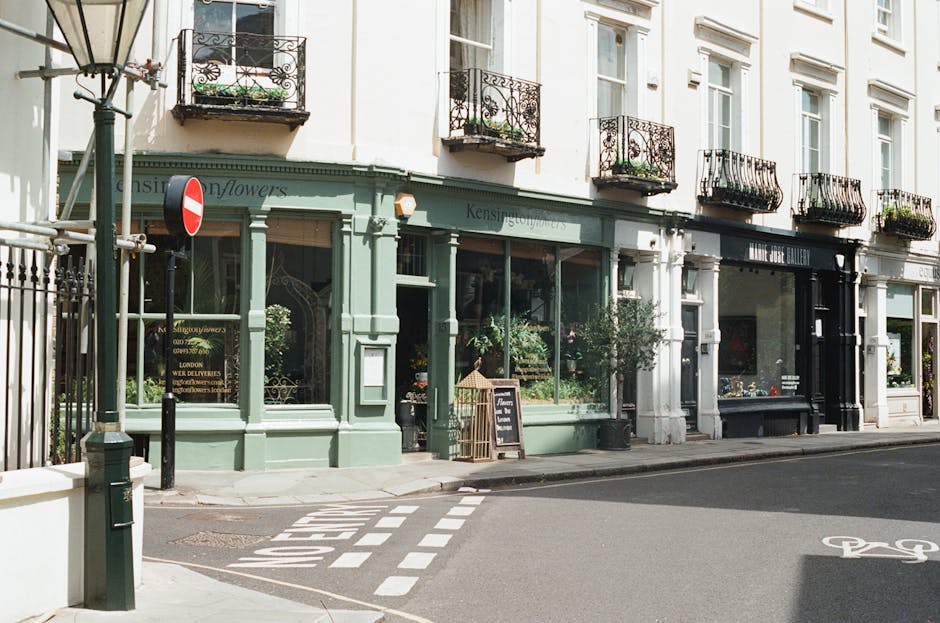
Kensington and Chelsea council permit rules for removals: a practical guide for a smoother move
If you are planning a move in west London, the Kensington and Chelsea council permit rules for removals can make a bigger difference than most people expect. A straightforward house move can become awkward fast if your van is too large, road space is tight, or the loading bay is already busy. In Kensington and Chelsea, that is not unusual; it is the sort of place where one missed detail can cost you time, money, and a fair bit of patience.
This guide breaks the topic down in plain English. You will learn why the rules matter, how permits typically fit into a removal day, what problems to watch for, and how to plan your move with far less stress. We will also cover practical steps, common mistakes, and a realistic checklist you can actually use. No fluff. Just useful, local guidance.
- Why the permit rules matter
- How the process works
- Key benefits and practical advantages
- Who needs this and when it makes sense
- Step-by-step guidance
- Expert tips for better results
- Common mistakes to avoid
- Tools, resources and recommendations
- Law, compliance and best practice
- Options and comparison table
- Case study example
- Practical checklist
- Conclusion
- Frequently asked questions
Why Kensington and Chelsea council permit rules for removals Matters
In Kensington and Chelsea, road access is often the real battleground. The council permit rules for removals matter because they help determine where a removal vehicle can stop, how long it can stay, and whether it can load safely without creating a blockage or attracting a penalty. That is especially relevant in streets where parking is scarce, traffic is constant, and a van stopping for even ten minutes can interrupt everyone else's day.
To be fair, many people think of moving as just "hire a van, turn up, load up." In a borough like this, that is a risky assumption. A move may involve controlled parking zones, waiting restrictions, loading bay use, residents' bays, suspensions, or temporary permissions depending on the exact location. If you get the access side wrong, the removal team can lose valuable time circling the block while your boxes sit by the front door. Nobody wants that at 8:15 on a damp Tuesday morning.
There is also a wider practical angle. A well-planned permit arrangement can reduce stress for neighbours, make the loading process safer, and help the move stay on schedule. If you are moving from a flat near a busy road, or from a property with awkward access, this is not a "nice to have". It is part of the move itself.
For readers looking at a full move plan, it can help to understand the broader service picture too. Pages like removal services in South Kensington and house removals in South Kensington give a useful sense of how access, packing, and vehicle choice fit together.
Expert summary: In Kensington and Chelsea, a removal permit is not just admin. It is often the difference between a calm, organised move and a day full of avoidable delays.
How Kensington and Chelsea council permit rules for removals Works
The exact arrangement depends on the street, the type of vehicle, and the time of day. In practice, the process usually comes down to four moving parts: where the van can stop, what the council allows, whether space must be reserved in advance, and whether there are any time restrictions to respect.
Most moves begin with a quick access check. That means looking at the road outside the property and asking simple questions: can a van legally stop here? Is there a loading bay nearby? Is there space for a larger removal vehicle? Will the move need a suspension or permit to prevent other cars taking the spot? You do not want to discover the answer while the crew is already standing on the pavement with a sofa.
It is also worth separating the role of the mover from the role of the resident. The removal company may advise on the practical access side, but the responsibility for confirming permission often sits with the person booking the move, unless the company specifically handles that for you. That division is easy to misunderstand, which is why people sometimes assume "the van company will sort everything" and then get a nasty surprise.
In many cases, the useful route is to combine a permit-conscious move with the right vehicle size. If you are comparing options, the man and van service in South Kensington and the man with a van service are helpful for smaller, tighter moves where space is limited and speed matters.
Here is the simplest way to think about it:
- Check the street access and parking restrictions.
- Confirm whether a loading bay, bay suspension, or permit is needed.
- Match the vehicle size to the road conditions and property access.
- Allow enough time so the move does not overrun the stopping permission.
That sounds basic, but honestly, the basics are what keep a removal day from turning messy.
Key Benefits and Practical Advantages
Getting the permit side right brings several very real advantages. Some are obvious; some only become obvious when things start going wrong.
- Less risk of delays: The vehicle has a clearer place to stop and load.
- Reduced parking stress: Fewer last-minute searches for legal kerb space.
- Better coordination: The removal team can work to a sensible arrival plan.
- Safer handling: Heavy items are moved over shorter, more predictable distances.
- Lower chance of conflict: Neighbours and other road users are less likely to be inconvenienced.
- More accurate costing: Fewer surprise charges caused by delays or repeated trips.
There is also a practical comfort factor. Moves in Kensington and Chelsea tend to be busiest around narrow streets, mews, mansion blocks, garden squares, and roads where parking never feels generous. A permit-aware plan gives everyone a bit more breathing room. Less hovering. Less double parking. Less that tense feeling of "we really should have checked this sooner".
If you are trying to keep the overall move efficient, it can also help to look at the wider support available, such as packing and boxes in South Kensington and pricing and quotes. The more you align access, packing, and timing, the smoother the day tends to be.
Who This Is For and When It Makes Sense
This topic matters to anyone moving into, out of, or within Kensington and Chelsea, but it is especially important for a few groups.
Homeowners and tenants in flats
Flat moves often involve limited stopping space, shared entrances, and stair-only access. If the van cannot park close enough, moving a wardrobe, mattress, or washing machine becomes much slower and more tiring. That is where permit awareness becomes genuinely useful.
Families moving house
House moves usually mean more volume and more time. If you have children, pets, or a lot of furniture, the last thing you need is a van waiting far away while the team shuttles items by hand down the street.
Students and first-time movers
Students and first-time renters sometimes underestimate the borough's parking restrictions. It is easy to do. The move feels small, so the access issue gets ignored. Then the van cannot stop where expected. If that sounds familiar, the student removals support in South Kensington is a useful reference point.
Office and business moves
Business relocations can be more time-sensitive. Deliveries, staff schedules, reception access, and building management all add pressure. In those cases, the permit question should be raised early, not the night before. If your move is commercial, have a look at office removals in South Kensington.
Anyone with awkward access or large items
If you are moving a piano, antique furniture, a heavy cabinet, or anything awkwardly shaped, access matters even more. The distance from van to door might look short on paper, but it can feel much longer when there are steps, tight corners, and traffic in the way. That is why piano removals in South Kensington and furniture removals in South Kensington are worth considering when heavy items are involved.
Step-by-Step Guidance
Here is a practical way to plan around the permit rules without making the whole thing a drama.
- Walk the street like a mover would. Stand outside the property and look at the curb, road width, bay markings, and any obvious signs. Would a van fit safely? Can it stay close enough for loading?
- Check the move date and time. Some streets are far easier at quieter times. Others are busy nearly all day. Early mornings can help, though not always.
- Confirm the vehicle size. A smaller van may work better in a tight street than a large removal truck. Bigger is not always better. That is one of those annoying truths of London moving.
- Ask whether a parking arrangement is needed. This could involve a loading bay, a permit, or other temporary access planning depending on the road.
- Build in a time buffer. Even a well-run move can slow down because of traffic, stairs, or people being absent for key handover moments.
- Tell the removal team about access issues early. Mention narrow roads, permits, long walks from the van, lifts, stairwells, or timed building access.
- Prepare the property for fast loading. Keep boxes grouped, disassemble what you can, and clear the entryway.
- Keep one person available on the day. If the mover needs a quick decision, you do not want to be stuck in a taxi or on another call.
A tiny observation from experience: the moves that go best are rarely the ones with the fanciest plan. They are the ones where the access details were checked early, and nobody had to improvise on the pavement at the last minute.
If you are still shaping the move itself, browsing removals in South Kensington and removal van options in South Kensington can help you match the vehicle and service level to the street conditions.
Expert Tips for Better Results
The difference between a decent move and a smooth one usually lies in the details. A few practical habits can save you a lot of trouble.
- Measure the access route, not just the van space. Doorways, halls, stair bends, and lift size all matter.
- Check whether the road is frequently occupied by trades vans. If it is, parking may be gone before the crew arrives.
- Use labelled boxes by room. It sounds obvious, but it speeds up the loading order and unpacking later.
- Keep essentials separate. Kettle, chargers, documents, medicine, and basic toiletries should not disappear into the back of the van.
- Choose the right service for the job. A compact move may suit a smaller vehicle, while larger properties may need a full removals team.
- Stay flexible with timing. In busy west London streets, a ten-minute delay is normal enough. A calm attitude helps more than people think.
One useful rule of thumb: if the street feels tight to you on foot, it will feel tighter with a van. Trust that instinct. It is usually right.
For additional planning help, there is also guidance on dealing with access problems during South Kensington removals, which is particularly relevant when road layout and loading space are a headache.
Common Mistakes to Avoid
This is where a lot of moves go sideways. Not spectacularly, just enough to be irritating. And honestly, that is often worse.
- Leaving access planning until the day before. By then, options are limited.
- Assuming the van can stop anywhere. That assumption causes more trouble than almost anything else.
- Booking the wrong vehicle size. Too large can create parking issues; too small can mean extra trips.
- Ignoring building rules. Some blocks have specific loading times or entry instructions.
- Forgetting about stairs and lifts. A second-floor flat with a narrow stairwell is not the same as a ground-floor move.
- Not warning the mover about fragile or bulky items. Pianos, mirrors, and large wardrobes need planning.
- Underestimating how long loading takes. Especially if the property is packed or access is awkward.
There is a common pattern here. People focus on the destination and forget the route between front door and van. Yet that stretch can be the hardest part of the whole day.
If you want to avoid common booking errors more broadly, this guide to common booking mistakes for man and van moves is a sensible companion read.
Tools, Resources and Recommendations
You do not need fancy software to manage a local removal well. A few simple tools and habits are enough.
| Item | Why it helps | Best use |
|---|---|---|
| Floor plan or rough sketch | Helps plan item placement and loading order | Whole-house and flat moves |
| Measuring tape | Checks furniture, doorways, and stair widths | Large items and tight access |
| Box labels | Keeps the move organised and unloading faster | All home and office moves |
| Phone camera | Useful for sharing access photos with the removal team | Awkward streets and entrances |
| Parking notes | Helps you remember restrictions, bay lines, or building instructions | Permit-sensitive moves |
On the service side, it is usually sensible to compare a few options before you commit. The broader services overview can help you see what kind of support fits your move, whether that is a full house relocation, a smaller van job, storage, or just help with loading.
Budget is part of the decision too. If you are trying to keep things sensible without cutting corners, man and van rates and man with van rates can be helpful starting points for comparing service types. Do not obsess over the cheapest figure alone; a slightly better-planned move often saves more in the end.
Law, Compliance, Standards, or Best Practice
For removals in Kensington and Chelsea, the main point is not to treat parking and loading as casual afterthoughts. Local road restrictions, bay rules, building access conditions, and moving-day safety expectations all matter. If your vehicle is stopping on the highway, you should be confident that the arrangement is lawful and appropriate for the location.
Best practice in this setting is straightforward:
- confirm access before moving day
- use the right vehicle for the street
- respect loading times and restrictions
- avoid obstructing traffic, pedestrians, or neighbouring properties
- brief the removal crew clearly
- keep the move safe for staff, residents, and the public
If you are dealing with a professional removals company, ask how they handle access planning and safety. A reliable mover should talk openly about vehicle choice, timing, and the practicalities of loading in a busy borough. If those conversations feel vague, that is a small warning sign. Not always a deal-breaker, but worth noticing.
You may also want to look at insurance and safety and health and safety policy so you understand how the work is handled when the pressure is on. In a busy street, safety is not a side note. It is the thing.
Options, Methods, or Comparison Table
There is more than one way to handle a removal in Kensington and Chelsea. The best option depends on property type, item volume, access, and timing.
| Method | Best for | Pros | Watch-outs |
|---|---|---|---|
| Small van / man and van | Studios, one-bed flats, lighter loads | Easier to park, quicker in tight streets | May require more trips if volume is underestimated |
| Medium removal van | Typical flat or smaller house moves | Good balance of capacity and access | Parking still needs checking carefully |
| Full removals team | Larger homes, furniture-heavy moves, families | More labour, more structure, less heavy lifting for you | Needs careful coordination in restricted streets |
| Same-day support | Urgent moves or short-notice changes | Fast response | Less room for parking mistakes or access delays |
If your move is small and access is tricky, a compact setup is often smarter than forcing a large vehicle into a narrow road. If your move is bigger, a larger team may still be right, but the permit and stopping plan must be tighter.
For short-notice situations, same day removals in South Kensington can be worth considering, especially when a lease change, completion delay, or building issue pushes the date around.
Case Study or Real-World Example
Picture a fairly common Kensington scenario. A couple is moving from a second-floor flat near a busy main road into a nearby property only a few streets away. On paper, it looks simple. Same postcode area, short distance, not too many boxes. But the old flat has tight stair access, no resident parking space immediately outside, and the road fills quickly from early morning.
They assume the van will be able to stop wherever it can find a gap. It cannot. By the time the vehicle arrives, there is no clear loading space close to the entrance. The crew has to wait, the lift in the new building is not ready yet, and one of the larger items is awkward to manoeuvre through the hallway. A move that could have been tidy becomes stop-start and tense.
Now imagine the same move with a better access plan. The vehicle size is chosen with the road in mind, the team is warned in advance about the stairs, the loading window is understood, and the items are staged by the door before arrival. It is not magically effortless, because moving never is, but it becomes a lot more controlled. Fewer surprises. Less back-and-forth. More progress.
That is really the whole point of understanding the permit rules: not bureaucracy for its own sake, but a cleaner, more manageable move.
Practical Checklist
Use this before your moving day. Keep it simple.
- Confirm the move date and time.
- Check the road outside the property for loading restrictions.
- Decide whether a small van or larger removal vehicle is more suitable.
- Tell the mover about stairs, lifts, long carries, or awkward entrances.
- Ask who is responsible for parking and stopping arrangements.
- Keep essential items separate and easy to reach.
- Label boxes clearly by room.
- Disassemble furniture where sensible.
- Protect fragile items and mirrors.
- Make sure someone is available to answer access questions on the day.
- Have a backup plan if parking near the property is unavailable.
One line, really: if you would hate the vehicle to arrive and have nowhere legal to stop, sort that problem out before moving day. Simple, but vital.
Conclusion
The Kensington and Chelsea council permit rules for removals are about more than compliance. They affect timing, safety, parking, loading, and the general tone of the whole day. In a borough where the roads are busy and space is tight, a little preparation goes a long way. That includes choosing the right vehicle, checking access properly, and planning around the realities of local streets rather than hoping for the best.
If you are moving soon, the smartest next step is to get your access plan in order before you worry about boxes or furniture wraps. Once the road space is understood, everything else tends to fall into place much more easily. Not perfectly, maybe, but much better.
For tailored help with planning, packing, and the right moving setup, take a look at the relevant service pages or get in touch through the site's main contact route. A calm, well-planned move is still possible here, even in a place as busy as Kensington and Chelsea.
Get a free quote today and see how much you can save.
And if nothing else, remember this: good removals are often invisible. They just feel like a day that went right.
Frequently Asked Questions
Do I need a permit for removals in Kensington and Chelsea?
Often, yes, some form of parking or loading arrangement may be needed depending on the street, the vehicle, and the time. The key is to check the exact location rather than assuming the van can stop freely.
Who usually arranges the permit or parking arrangement?
That depends on the mover and the service agreement. In many cases, the resident or customer is expected to confirm access details, while the removal company advises on the practical side. Always ask early.
How far in advance should I check the council rules?
As early as possible. A few days can be enough for simple moves, but busy streets, flats, or timed access often need more lead time. Leaving it until the day before is asking for trouble.
What happens if the van cannot park near my property?
The crew may have to park further away, which can slow the move and make loading more difficult. In some cases the job may still go ahead, but it may take longer and feel much less efficient.
Are loading bays always available for removals?
No. Loading bays can be occupied, time-limited, or restricted by local rules. Never assume availability. Check the specific street conditions and build a backup plan.
Is a smaller van better for Kensington and Chelsea streets?
Sometimes, yes. A smaller van can be much easier to position in tight roads. But the right choice depends on how much you are moving. Too small can mean extra trips, which is not always ideal either.
Can a removal company help with access issues?
A good one should. They may not handle every permit detail, but they should be able to assess access, recommend the right vehicle, and advise on timing and loading arrangements.
What are the most common mistakes people make?
Waiting too long to check restrictions, choosing the wrong vehicle, forgetting about stairs or long carries, and not telling the removal team about building access rules. Those four come up a lot.
How do I know if my move is likely to need special planning?
If your property is on a busy road, in a flat, near a controlled parking zone, or involves bulky furniture, special planning is usually worth it. If you are unsure, assume you need to check.
Does the time of day matter for removals in Kensington and Chelsea?
Very much so. Early mornings can be easier for access, while busier periods can make parking and loading slower. The exact difference depends on the street, but timing is always worth thinking about.
What should I tell the movers before the day?
Tell them about the number of boxes, heavy items, stairs, lifts, parking issues, any road restrictions, and whether access is shared or timed. A few good notes can save a lot of guesswork later.
Is it worth paying more for a better-planned removal?
Usually, yes. A well-planned move often saves time, reduces stress, and avoids expensive delays. Cheapest on paper is not always cheapest in real life, which is annoying but true.